Source Smart Led Bulb for Home, Office, and Retail
Find 30 smart led bulb options for residential and commercial use. Compare features like E14 bases, 24V/220V inputs, and aluminum or plastic bodies. Evaluate customization, OEM support, and warranty terms to select the right lighting solution for your project.
Key considerations
Products List







Comprehensive Sourcing Guide
Smart LED Bulb Sourcing Guide
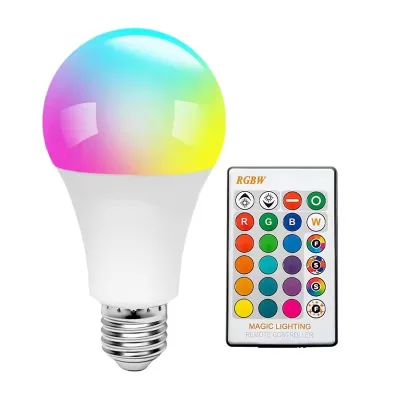
Procuring smart LED bulbs requires distinguishing between general illumination and specialized applications like spot lighting or residential ambient control. The market presents diverse configurations, ranging from high-power units designed for industrial efficiency to compact 9W models tailored for specific voltage inputs like 24V or 100-240V. Buyers must carefully align their selection with the intended environment, noting that some units feature gradual changing capabilities while others support color scanning for dynamic effects.
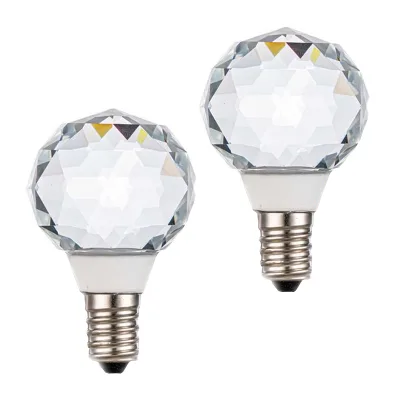
Verification of the lamp holder base is critical, as the supply chain offers both E14 screw bases and other specialized interfaces. The physical dimensions vary significantly, with some units measuring 4343115mm while others are designed as 70*127mm fixtures. Understanding these physical constraints ensures compatibility with existing fixtures and prevents installation failures, particularly when sourcing from manufacturers in regions like Guangdong or Sanmen who may have distinct production standards.
Product Scope and Observed Listing Signals
The observed product listings reveal a wide spectrum of power ratings, from 2W to 30W, indicating that procurement strategies must account for varying luminous flux requirements. Some units deliver 200 lumens with an efficiency of 100 lm/w, while others prioritize higher wattage for broader coverage. Buyers should scrutinize the listed power supply specifications, as some products support both AC and DC inputs, whereas others are strictly limited to specific voltage ranges like 24V or 220V.
Customization availability is a prominent signal in the current market, with many suppliers offering tailored packaging and branding options. The presence of OEM support suggests that buyers can request specific model numbers or design modifications, such as the MBE2627 or TY66044 series. However, the minimum order quantity (MOQ) fluctuates widely, ranging from single units for sampling to 10,000 units for bulk production, requiring careful financial planning before committing to a specific supplier.
Technical Specifications to Verify
Technical due diligence must begin with the lamp body material, which directly impacts heat dissipation and longevity. The supply chain includes options constructed from aluminum alloy for robust thermal management, as well as plastic variants that may be suitable for lower-power applications. Buyers should verify the working temperature range, ensuring the selected unit can operate reliably within the -20 to 40 Celsius environment typical of many commercial and residential settings.
Color temperature and rendering index are equally vital for ensuring visual comfort and accurate color representation. Listings indicate options ranging from 2700K soft warm white to units with a Color Rendering Index (Ra) of 80, which is essential for residential and retail applications. Additionally, the lifespan of 50,000 hours is a key metric to confirm, alongside the inclusion of dimmer support and sensor switch modes that enhance user control and energy efficiency.
Compliance and Safety Documentation
Safety compliance is non-negotiable when sourcing electrical lighting products, and buyers should prioritize suppliers who can demonstrate ISO9001 certification. This standard indicates a commitment to quality management systems, which is crucial for maintaining consistent product performance across large batches. While specific safety certifications like CE or UL are not explicitly listed in the provided data, the presence of ISO9001 suggests a foundational level of operational rigor that buyers should expect to see validated through third-party testing reports.
Documentation regarding the IP rating and input voltage compatibility is essential for ensuring safe operation in diverse environments. Some units are rated for specific voltage inputs, and verifying the IP rating ensures the product can withstand the intended environmental conditions without risk of electrical failure. Buyers must request detailed test results that confirm the product meets the stated standards, particularly for applications involving moisture or dust where the ingress protection rating is a critical safety factor.
Cost Drivers and Commercial Terms
The commercial landscape for smart LED bulbs is influenced heavily by the minimum order quantity and the level of customization required. While sample orders are generally accepted to facilitate product evaluation, bulk pricing often depends on reaching thresholds like 100 pieces or higher. The variation in MOQ from 1 to 10,000 units means that buyers must balance their immediate inventory needs against the potential for better unit economics through larger volume commitments.
Lead times and delivery speed are significant cost drivers, with some suppliers offering fast delivery support to meet urgent project deadlines. The origin of the product, whether from China or specific regions like Sanmen, can impact shipping costs and import duties. Buyers should negotiate clear terms regarding packaging, such as standard carton boxes or customized solutions, as these logistical details directly affect the final landed cost and the efficiency of the supply chain.
Supplier Qualification and Quality Control
Supplier qualification should extend beyond basic certifications to include an assessment of their lighting solutions services, such as circuitry design capabilities. A supplier offering comprehensive design support can provide greater value by ensuring the smart bulb integrates seamlessly with existing control systems. This level of service is particularly important for projects requiring specific model numbers or unique functional attributes like sensor-based switching or specific dimming profiles.
Quality control processes must be verified through the supplier's warranty terms and their track record for product consistency. While some listings indicate a 1-year warranty, others offer up to 3 years, reflecting the manufacturer's confidence in their product durability. Buyers should establish clear protocols for handling defects and returns, ensuring that the supplier can maintain the high standards required for long-term procurement relationships and consistent product performance.
Long-Term Procurement Checks
Sustaining a successful procurement relationship requires regular audits of the supplier's ability to maintain consistent quality over time. Buyers should monitor the consistency of key attributes like the lamp luminous flux and color temperature across different production batches to prevent drift in product performance. Establishing a schedule for periodic quality reviews ensures that the supplier continues to meet the agreed-upon specifications and maintains the integrity of the supply chain.
Future-proofing the procurement strategy involves staying informed about technological advancements and evolving market standards. As the smart lighting sector evolves, buyers must remain flexible to adapt to new features or efficiency standards that may emerge. Regular communication with suppliers regarding their R&D efforts and potential product upgrades will help ensure that the procurement portfolio remains competitive and aligned with the latest industry developments.
FAQs
What customization options are available for smart led bulbs?
Customization is available for smart led bulbs, allowing buyers to tailor products to specific needs. OEM support is provided, enabling brand integration. Packaging can be customized or supplied in standard carton boxes. This flexibility ensures that the final product aligns with your market requirements and branding strategies effectively.
Can smart led bulbs be used for residential spot lighting?
Yes, smart led bulbs can be used for residential spot lighting. They are designed for residential applications and offer warm white color temperatures. Some models support color scanning and gradual changing features. These bulbs provide focused illumination suitable for accentuating specific areas within a home environment efficiently.
What is the typical lifespan of a smart led bulb?
The typical lifespan of a smart led bulb is 50,000 hours. This duration ensures long-term reliability and reduces maintenance frequency. High-power LED sources contribute to this extended operational life. Buyers can expect consistent performance over time, making these bulbs a cost-effective solution for various lighting installations.
Which certifications do smart led bulb manufacturers hold?
Smart led bulb manufacturers often hold ISO9001 certification. This indicates adherence to quality management standards. Buyers can verify these credentials to ensure product reliability. Certification helps in maintaining consistent manufacturing processes and quality control, providing assurance for bulk procurement and international trade compliance.
How does the input voltage affect smart led bulb usage?
Input voltage determines compatibility with local power grids. Smart led bulbs support 100-240V AC/DC or 24V DC options. This versatility allows usage in diverse regions. Buyers must match the bulb voltage to their infrastructure. Proper voltage selection ensures optimal performance and prevents electrical issues during installation and operation.
What is the minimum order quantity for smart led bulbs?
The minimum order quantity for smart led bulbs is 100 pieces. Sample orders are accepted for quality verification. This low MOQ allows buyers to test products before committing to larger volumes. It facilitates risk-free procurement and enables small businesses to source smart lighting solutions efficiently.
Are fast delivery options available for smart led bulb orders?
Fast delivery support is available for smart led bulb orders. Suppliers prioritize quick turnaround times to meet urgent procurement needs. This service ensures timely project completion. Buyers can rely on efficient logistics to receive their orders promptly, minimizing downtime and maintaining supply chain continuity for their operations.